
How To Fish A Frances Fly
The Frances fly isn’t just another entry in your fly box—it’s a versatile, deeply effective pattern that deserves a dedicated place in every salmon angler’s approach.
How to fish a Frances Fly - Understanding the Frances Fly
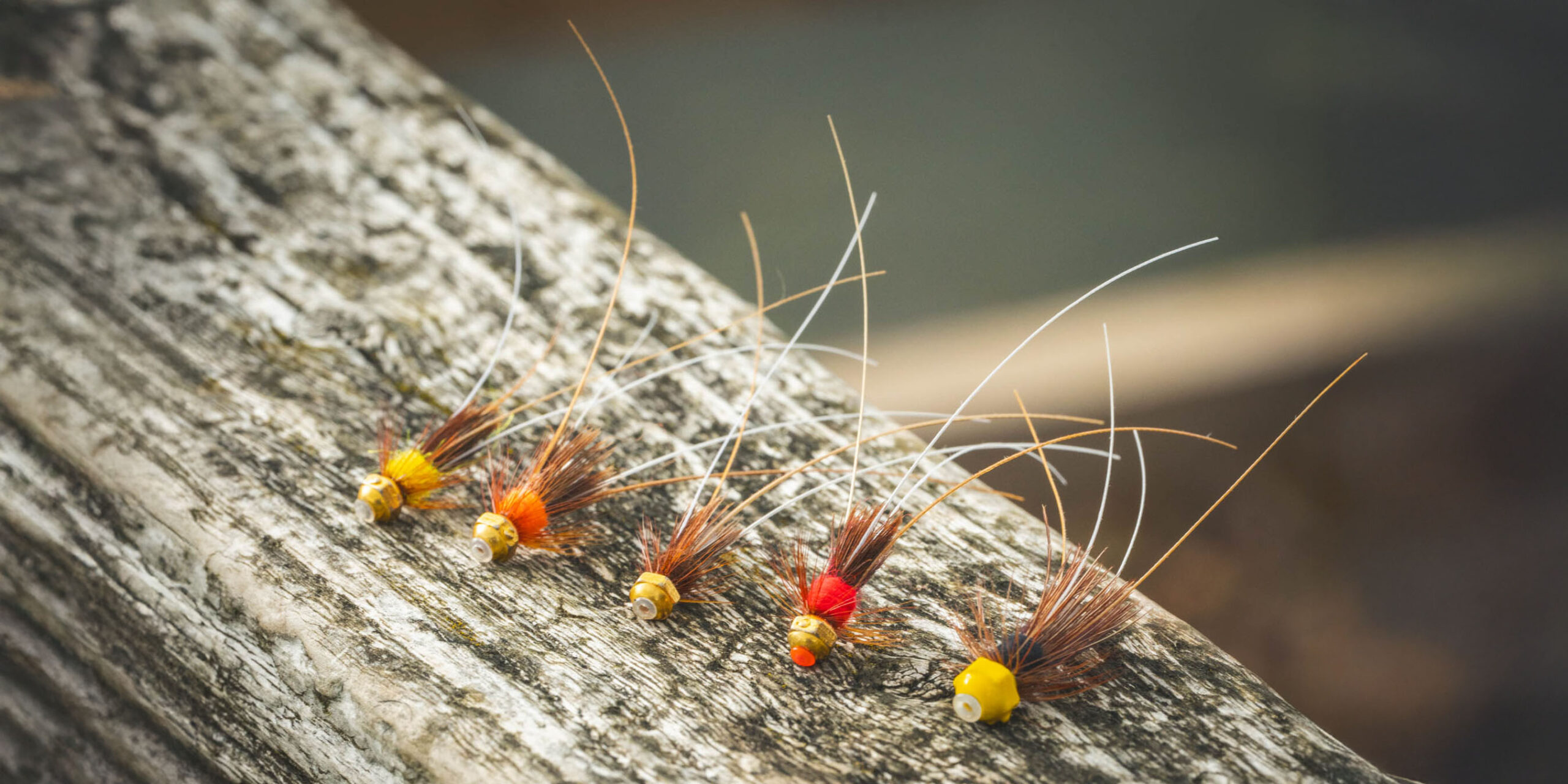
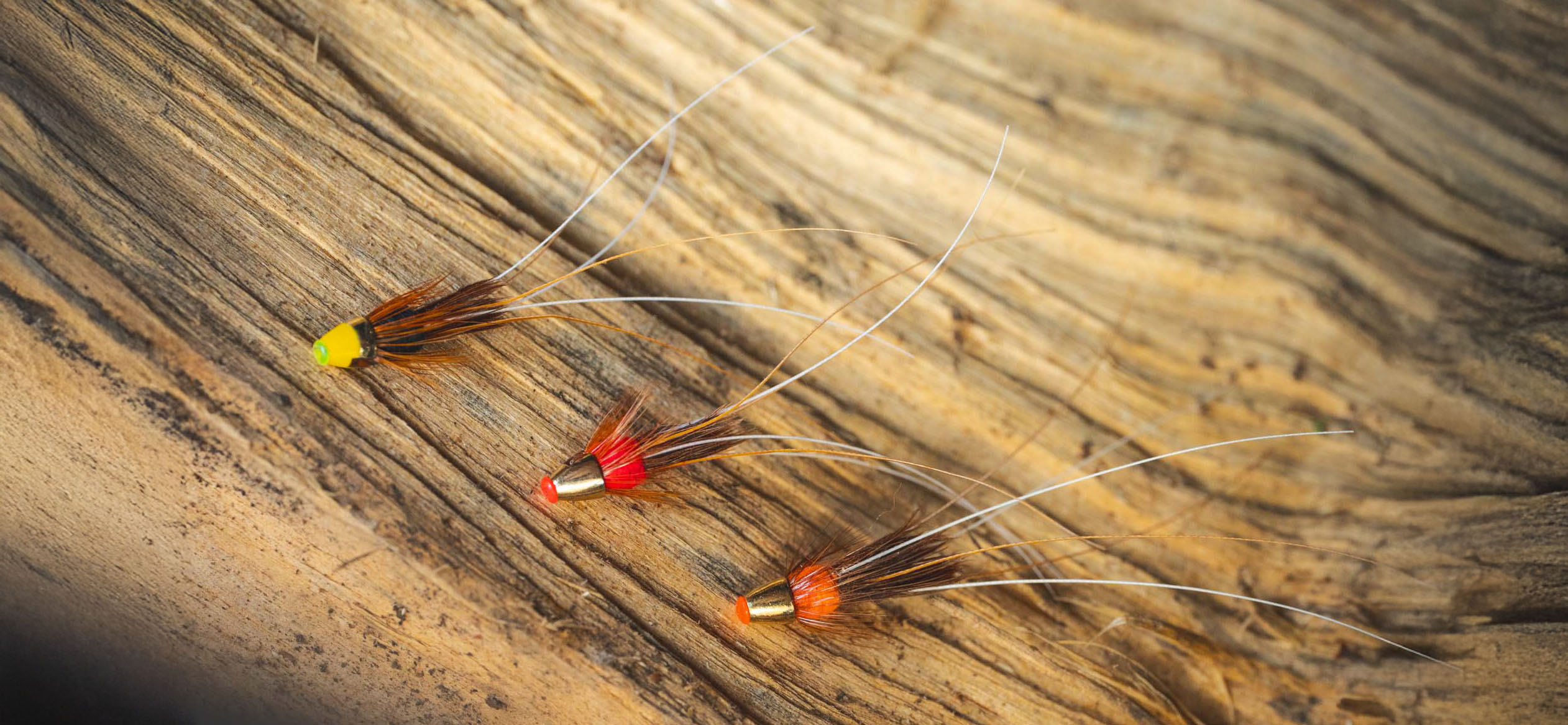
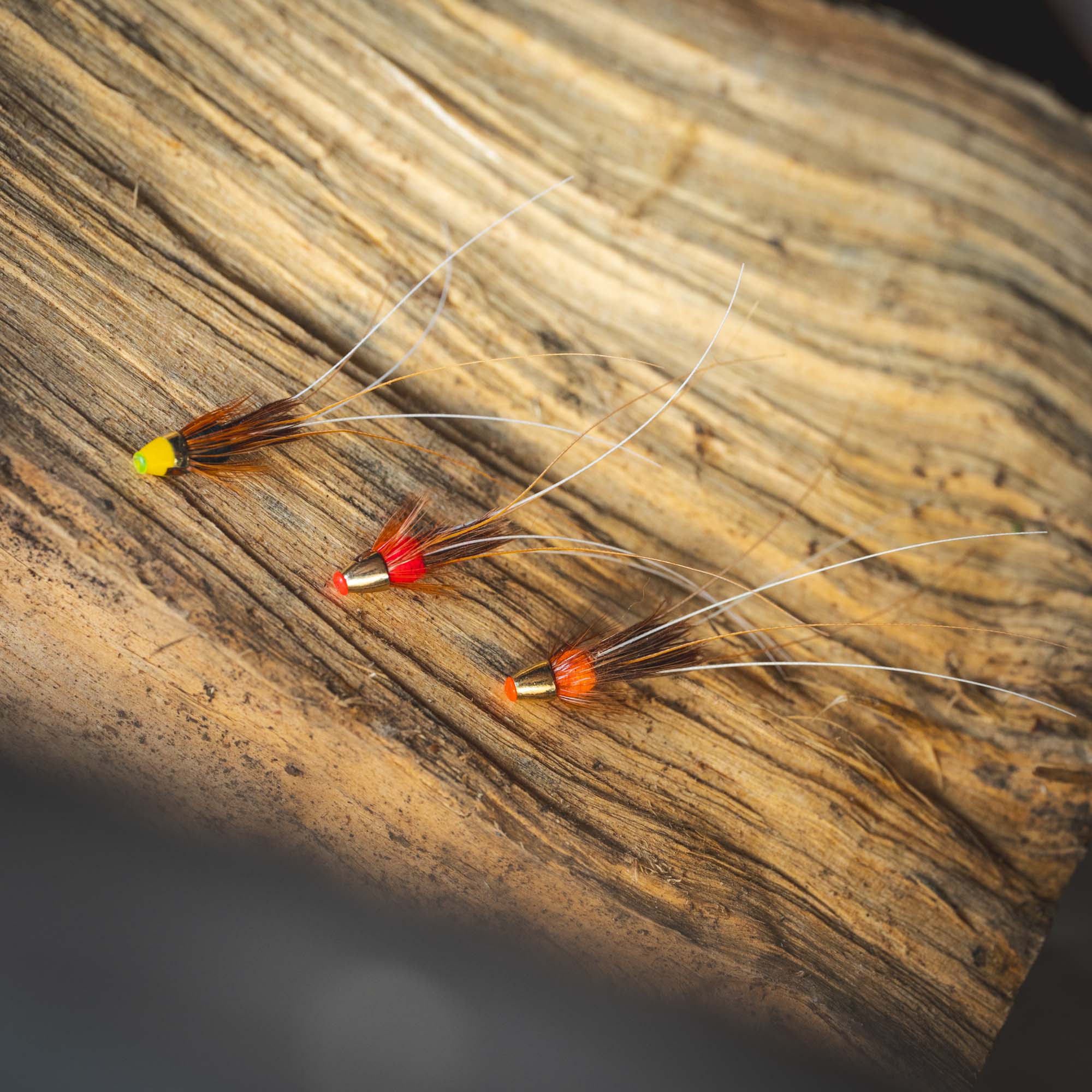
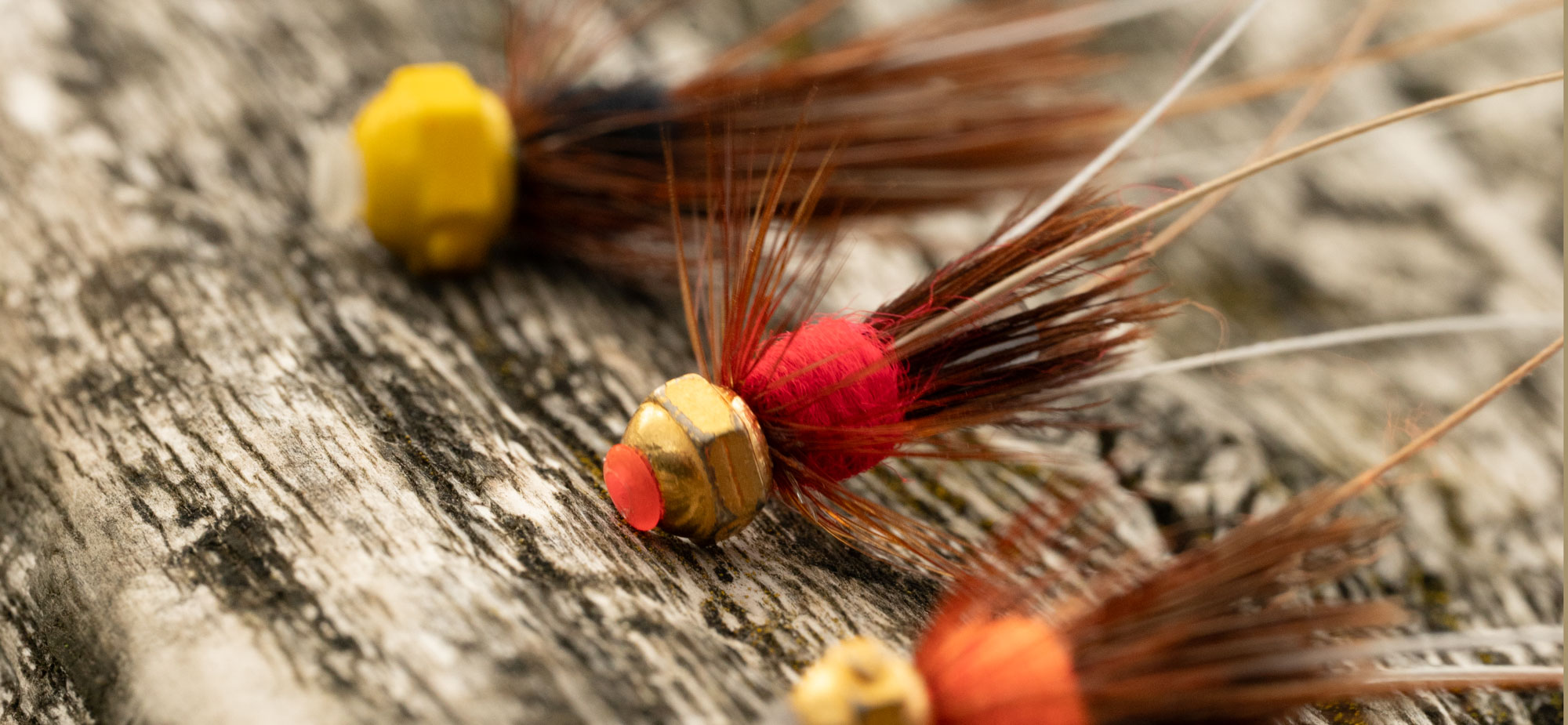
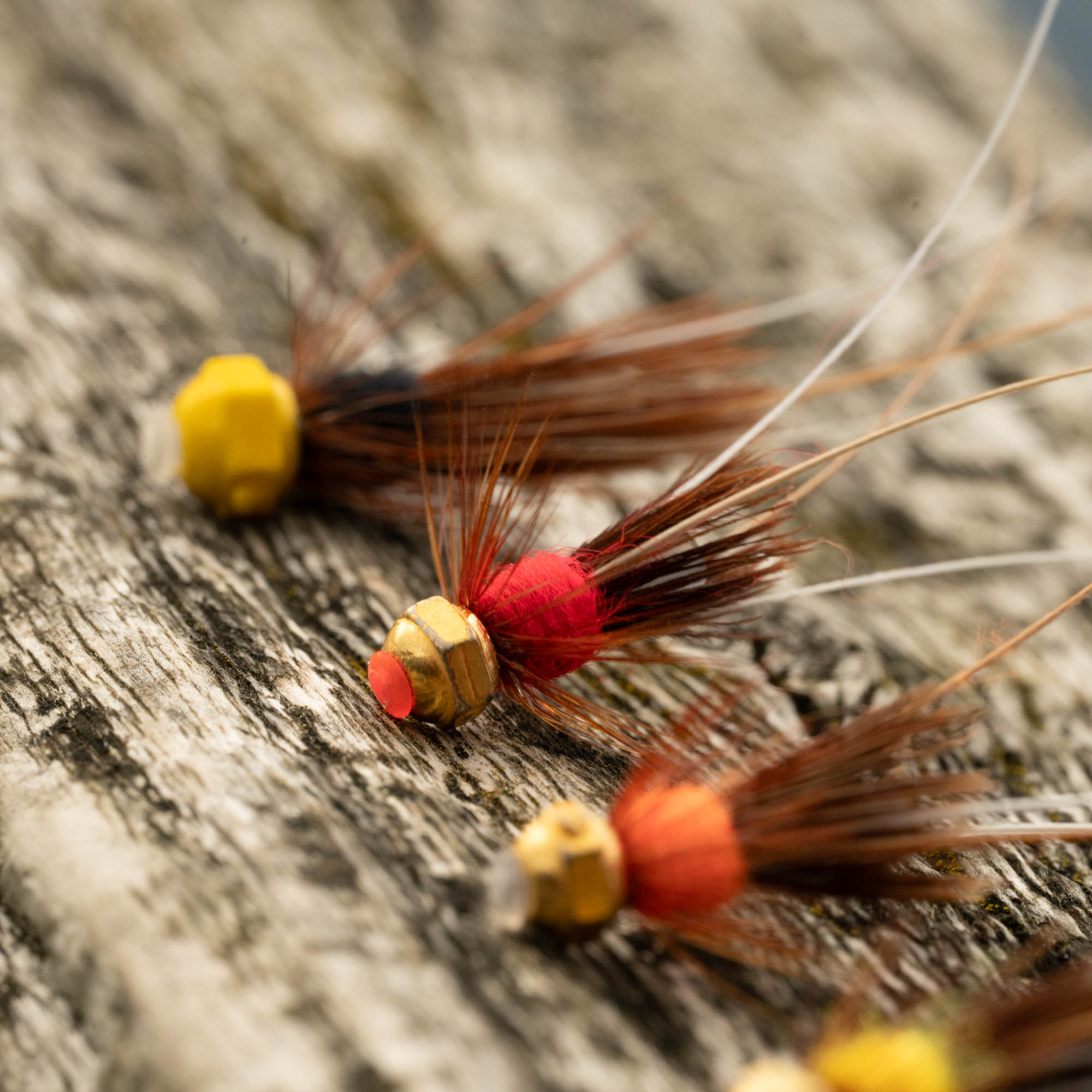
Understanding how to fish a Frances fly is key to unlocking its full potential. When fished with intention and knowledge, this shrimp-inspired fly becomes a powerful asset from late spring to the final days of autumn. At its core, the Frances fly is a shrimp-style pattern, tied with long feelers that create a distinctive silhouette in the water. These feelers not only contribute to the fly’s realism but also lend stability, helping it track evenly even at slow speeds. You'll find Frances flies in a wide range of forms: from tiny dressed trebles and microtubes to robust 2-inch copper tubes. This diversity means you can adapt the fly precisely to suit the flow, depth, and temperament of the river.
But fishing a Frances is not a plug-and-play experience. It's a fly that demands intention. Mastery comes from learning how to manipulate depth, angle, and speed—a finesse-driven method that rewards patience and experimentation.
How to fish a Frances Fly - Ideal Conditions for the Frances Fly
While the Frances fly is versatile, it shines brightest in specific river conditions. Understanding where and when to deploy it will dramatically improve its effectiveness.
-
Depth: The Frances performs best in water up to around six feet deep. Deeper runs can be fished effectively with weighted tubes and sink tips, but the fly’s stability and profile are most natural in moderate depths.
-
Flow Rate: Look for current moving at a steady walking pace. This speed allows the fly to swing naturally while maintaining consistent tension. Too slow, and the fly may stall without drawing techniques; too fast, and it can be swept past holding fish before engaging them.
-
Structure: Ideally, fish the Frances in pools with minimal underwater obstructions. Its feelers and bulk make it vulnerable to snagging in complex lies, so cleaner runs and defined seams are preferred.
Fishing a Frances Fly: Techniques for Success
Frances flies are most effective when fished deliberately and slowly. Their design encourages a deeper presentation and slower swing, targeting fish that are holding rather than moving. Unlike searching patterns that cover wide swaths quickly, the Frances is about presenting the fly where the fish are and how they want it.
Balancing Size, Weight, and Water Conditions
Matching fly size and weight to water conditions is critical. Microtubes with copper or tungsten cones are ideal for clear, low water where a subtle presentation is essential. As water volume and colour increase, larger copper-bodied tubes offer more presence and depth.
Don't underestimate the influence of river structure. Frances flies perform best in moderately shallow runs (up to six feet) that are free from heavy obstructions. Water that flows at a walking pace is ideal—slow enough to control the swing, fast enough to maintain tension.
Colour Variants: Red, Black, and Bright Options
Understanding how to fish a Frances fly effectively also means choosing the right colour to match the conditions. Each variation has its strengths, influenced by clarity, light, and fish behaviour:
- Red Frances: A reliable all-rounder, perfect in clear or lightly coloured water. Its bold profile draws attention without overwhelming the fish also excellent for autumn conditions when fish are aggressive and territorial.
- Black Frances: The go-to for ultra-clear or low water. Understated and stealthy, it excels when salmon are cautious. Pair with lighter tippets and smaller tubes for a minimalist approach.
- Colour Variants: Colours like pink or amber can be highly effective in peaty or coloured water, where visibility is compromised. These patterns provoke instinctive reactions and maintain presence at depth.
Pro Tip: Avoid hooks that are too small for the rear of the fly. Bulky dressing can mask the gape, reducing hook-up rates. Use strong, wide-gape hooks that suit the overall proportions of the fly.
FRANCES FLIES

Atlantic Flies UV Red Frances Copper Tube
£3.95
Find Out MoreThis product has multiple variants. The options may be chosen on the product page
This product has multiple variants. The options may be chosen on the product page
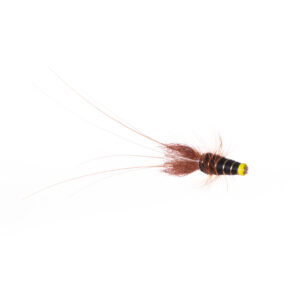
Atlantic Flies UV Black Frances Copper Tube
£3.95
Find Out MoreThis product has multiple variants. The options may be chosen on the product page
This product has multiple variants. The options may be chosen on the product page


Atlantic Flies UV Black Frances Tungsten Conehead
£4.50
The Black Frances Conehead is an excellent fly which has proved to be phenomenally successful...
Find Out MoreThis product has multiple variants. The options may be chosen on the product page
This product has multiple variants. The options may be chosen on the product page


Atlantic Flies UV Red Frances Tungsten Conehead
£4.50
The Red Frances Micro Gold Conehead is an excellent fly which has proved to be...
Find Out MoreThis product has multiple variants. The options may be chosen on the product page
This product has multiple variants. The options may be chosen on the product page
How to Fish a Frances Fly in Slow Water
Fishing a Frances in slow water demands a shift from conventional fly techniques. Precision becomes critical. Here, angles, drawing, and timing are the tools that breathe life into the fly:
- Drawing the Line: This involves smoothly retrieving the shooting line as the fly swings, adding speed where current is lacking. Long, consistent draws mimic the natural drift of a shrimp in walking-pace flow.
- Casting Angles: Big-angle casts (up to and beyond 90 degrees) allow the fly to settle and swim more effectively in slow pools. The correct angle sets up the presentation long before the swing begins.
- Line Choice: Shooting heads are superior in these scenarios. Their shorter heads provide better control and room to manipulate the line.
Slow pools often demand stealth, making presentation and positioning more important than ever. Done correctly, you’ll bring life to water that others walk past.
How to Fish a Frances Fly in Fast Water
In faster water, the goal is to maintain depth and control while avoiding unnatural drag. The Frances excels when fished slowly and deliberately—even in heavy current.
- Sink Tips: Use a Scandi or Skagit Body with a sink tip matched to the speed of the flow. Medium density sink tips such as a s3 help achieve depth without overloading the fly or deadening its swing.
- Casting and Mending: A wide-angle cast followed by an upstream mend allows the fly to sink and slows its swing. You can walk the line downstream during the sink phase to keep the fly deep for longer.
- Angle and Speed: Use steep casts (up to 90 degrees) to gain depth while maintaining a slow, steady swing that mimics a natural drift.
Even though it’s not our first choice of water, with thoughtful control and methodical coverage, the Frances can be just as effective in fast water as in slow.
Spey Casting Considerations
Accurate and quiet directional changes are critical, particularly in pressured or technical water. Waterborne casts like the Snap T, Perry Poke, and Double Spey are excellent choices here. Don’t buy into the myth that Snap Ts are noisy—with proper technique, they can be executed stealthily and at distance, even from the bank.
When to Deploy the Frances Fly
The Frances is not a fly for every day—but when it’s right, it’s unforgettable. Use it:
- In low to medium-depth pools where you can control the swing.
- During cooler conditions when fish are more likely to be holding.
- When subtlety, stability, and depth are key to triggering takes.
Reading water and understanding fish behaviour is as important as fly choice. If you’re unsure, experiment. Adjust angles, speeds, weights, and colours until you dial it in. Learning how to fish a Frances fly is as much about refinement as it is about results.
Shop The Best In Fly Fishing At Fin & Game
Located in the historic Scottish Borders town of Kelso on the River Tweed, Fin & Game is the ultimate destination for those passionate about premium fly fishing equipment and outdoor lifestyle apparel. We are committed to offering high-quality products and expert advice, ensuring every customer receives personalised service tailored to their needs.
Our carefully curated selection includes industry-leading Fly Rods, Fly Reels, Fly Lines and Accessories alongside performance-driven clothing. Whether you're fishing local waters, travelling abroad in search of renowned angling spots, or simply preparing for your next adventure, we understand the importance of having the right gear.
At Fin & Game we believe true quality extends beyond our products. It is about the experiences they enable and the memories they create. From a day on the River Tweed to an expedition in distant waters, our knowledgeable team is here to support you every step of the way.
Visit our Kelso store or browse online today to discover our range of Frances Flies and much more. Your next great catch awaits.
Share: